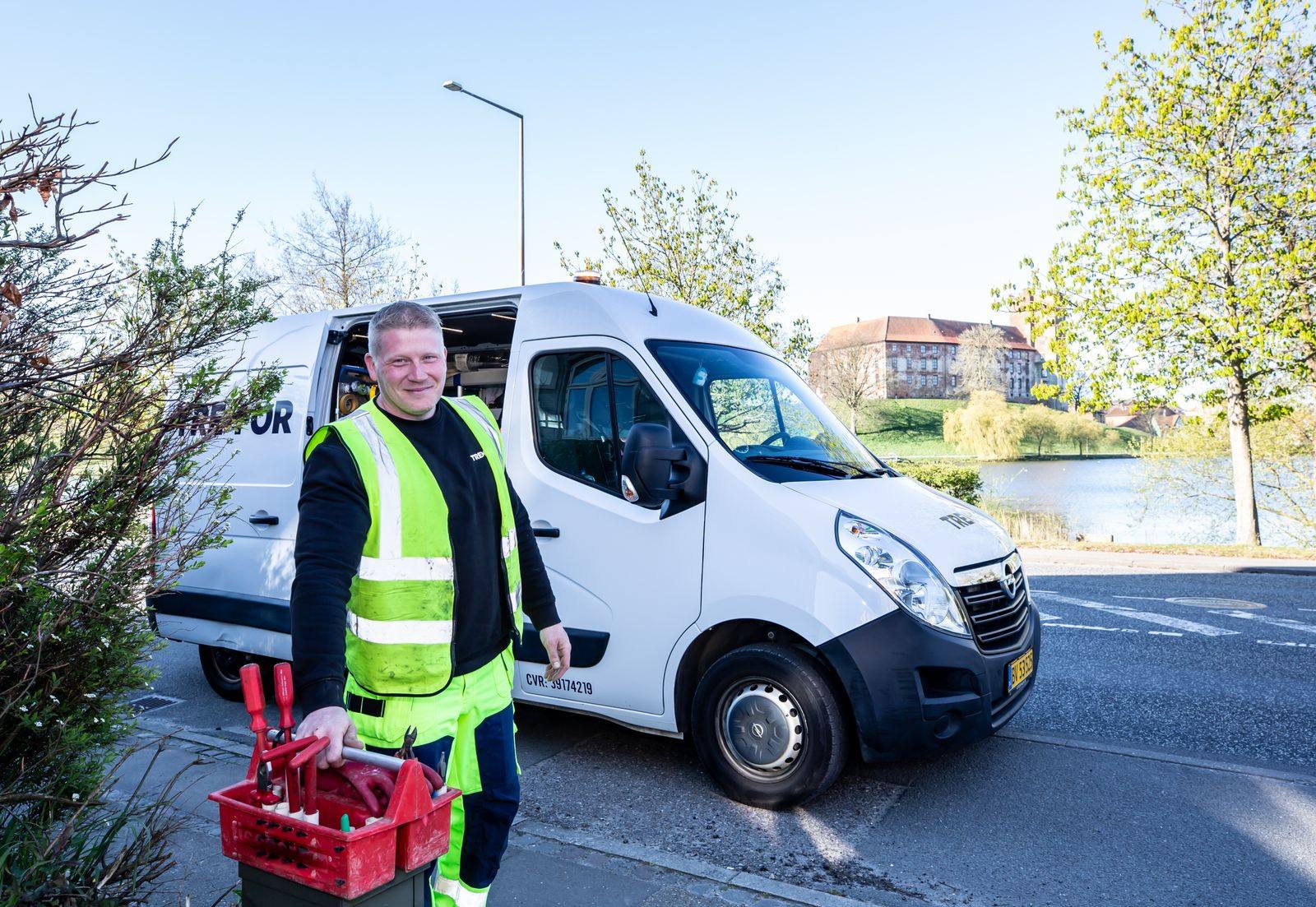
Why do so many people switch to tankless? Mostly three things: a supply that does not run dry, lower standby energy use, and space. A tankless heater stays idle until you open a tap, then fires a high-output burner or electric element and heats the water in passing. With no stored water to keep warm, it wastes less energy between uses, and with regular descaling it can last two decades. It is not magic, though. Performance depends entirely on sizing and installation, which is where most of our work in Billings, MT goes.
A good tankless install starts with math, not tools. We total your peak demand in gallons per minute, such as a shower, a kitchen sink, and the dishwasher at once, and compare it against the temperature rise your incoming water needs in winter. That tells us the real capacity you need. Next we check the supply side. Gas tankless units fire at very high input, so a half-inch line that fed an old tank is often too small. Condensing models vent through PVC or polypropylene and need a condensate drain, while non-condensing units need stainless steel venting. Electric units bring their own demands, often needing multiple large breakers and sometimes a service upgrade.
The small parts of the install matter for decades. We install service valves on every unit so descaling is quick, pipe the relief valve to a safe discharge point, build the gas connection with a sediment trap, and run venting exactly to the manufacturer's specifications. Hard water gets addressed up front with a softener or scale filter discussion, because scale is what clogs heat exchangers. We also offer recirculation if a far bathroom takes too long to get hot. Permits are pulled where required, and you get a walkthrough of settings, error codes, and upkeep. For tankless installation in Billings, call (406) 233-1843.
Most of our service calls are for Water Heater Installation in Billings. That's the place to start for most homes.
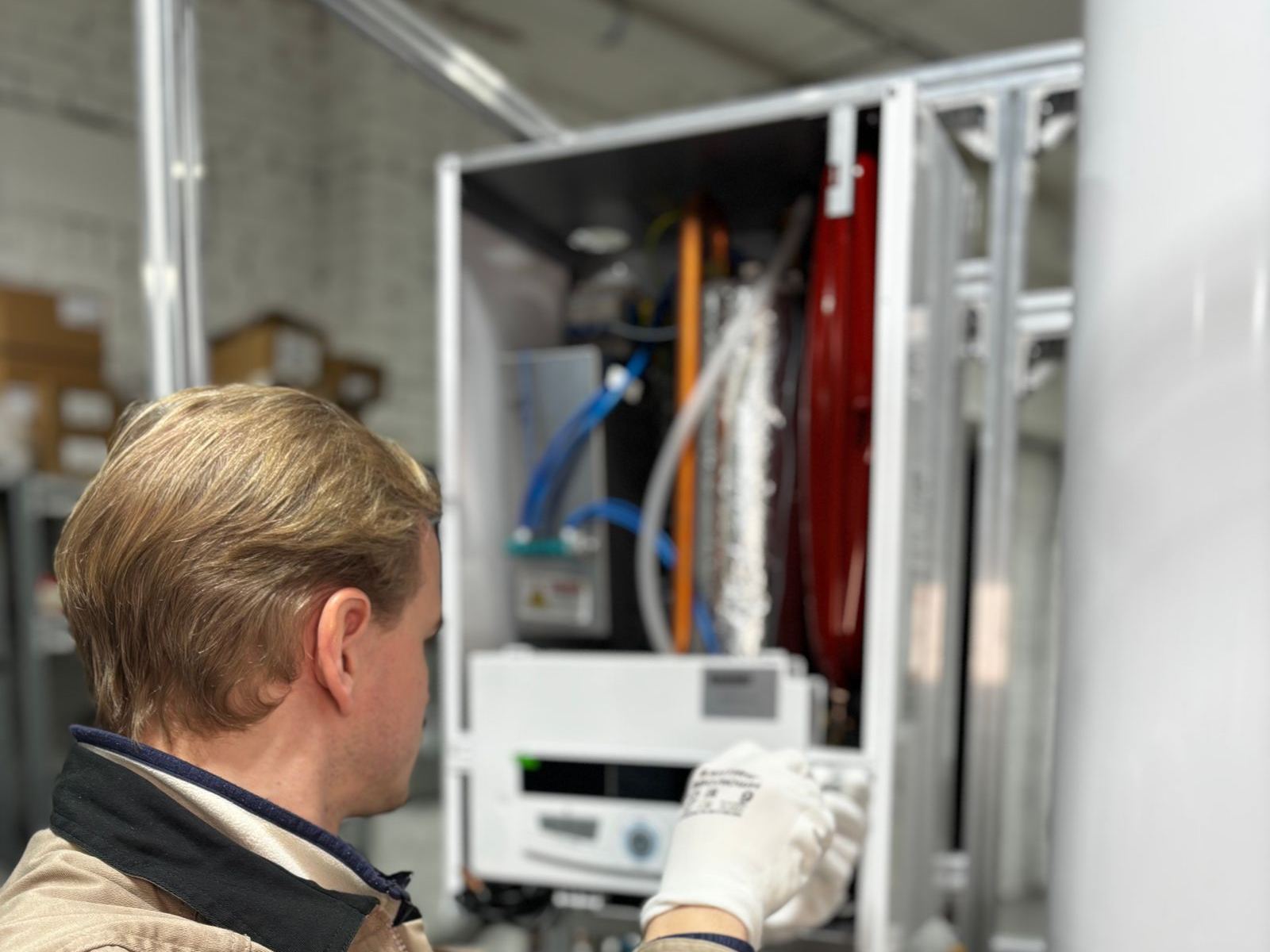
When to Call for Tankless Water Heater Installation
Recognizing the warning signs early can save you money and keep a slow drip from turning into a flooded utility room. Here are the most common indicators that it's time to call a professional:
- A far-off sink or bath where a point-of-use unit could help
- A water heater near the end of its service life, making this a natural time to switch
- A remodel that would benefit from a compact wall-mounted heater
- Preferring a heater that can be repaired and maintained instead of replaced every decade
- Showers turning lukewarm before everyone gets a turn
- Paying to keep a full tank hot even when no one is home
- Adding a bathroom, soaking tub, or larger shower that needs more hot water
- A home remodel or new build where the gas line and venting can be planned from scratch
Early Action Saves Money
A worn-out anode rod, a sediment-choked tank, or a weak thermocouple rarely fixes itself, and the repair usually costs more the longer it waits. A quick call to (406) 233-1843 gets a technician out to check it before it becomes an emergency.
No Hot Water? We Can Help.
Call Billings Water Heater for fast, reliable service.
Call (406) 233-1843 TodayCommon Questions We Hear
Why Professional Tankless Water Heater Installation Matters
Tankless installation asks much more of a home than a like-for-like tank swap. A whole-home gas unit can demand several times the gas flow of a standard tank, and running it on an undersized line causes low flame, error codes, and lukewarm water. Venting is equally specific: condensing units use plastic vent pipe and need a condensate drain, non-condensing units need stainless steel, and neither can simply reuse an existing tank vent in most cases. Electric tankless can require several dedicated high-amperage breakers, and mistakes with gas, venting, or high-amperage wiring carry real fire and carbon monoxide risks.
Our job is to make tankless work the way it is supposed to. That starts with sizing for your busiest hour and coldest water, then making sure the home's gas, vent, and power can support it. We install with service valves for descaling, proper relief valve discharge, and venting built to the manual, then run the unit at full flow before we leave. If a tankless unit is not the best choice for your home, whether because of cost, gas supply, or usage patterns, we say so and help you compare other options honestly.
Step by Step: How a Visit Works
Our workflow is simple and thorough, so nothing gets missed between the fuel supply and the relief line. Here's exactly how a typical visit unfolds:
Flow Rate & Temperature Rise
Sizing starts with your peak demand in GPM and the temperature rise needed for cold winter water. That pairing tells us which unit will actually keep up.
Infrastructure Review
Whole-home tankless units need big gas lines or big electrical circuits. We verify yours, choose the correct vent type, and plan the condensate drain.
Clean, Code-Minded Installation
The unit goes on the wall with service valves, a sediment trap on the gas line, correct vent pitch and termination, and a condensate neutralizer where needed.
Test, Set, Explain
Before we leave, the heater runs with multiple fixtures open while we verify gas pressure, venting, and outlet temperature, then we cover maintenance and settings.
Not Sure What You Need?
Our technicians can assess your water heater and recommend the option that actually makes sense.
Call (406) 233-1843 TodayHow to Prevent Water Heater Problems
Routine maintenance is almost always cheaper and easier than an early replacement. Put these technician-approved steps to work at home:
- Keep the inlet screen clear so flow stays strong and the unit fires reliably
- Check the vent cap outside for nests, debris, or buildup
- Descale the heat exchanger once a year, or more often with hard water
- Consider a water softener or scale-prevention filter if your water is hard
- Set the temperature around 120F for safety and efficiency
- Protect outdoor or garage units from freezing, and keep power on during cold snaps so freeze protection works
- Pay attention to error codes; they point to issues that are cheaper to fix early
Comparing DIY and Professional Work
A few tasks, like checking the temperature setting or lifting the relief valve lever to test it, are fine for homeowners, but most water heater work involves gas lines, venting, 240-volt circuits, or a tank full of scalding water, and that belongs with a professional. Here's how the two approaches stack up:
| Consideration | Doing It Yourself | Hiring a Pro |
|---|---|---|
| Sizing | Chosen by brand or price alone | Matched to real peak demand |
| Gas Line | No check of meter or pressure | Piping sized to the burner |
| Exhaust | Clearances and pitch overlooked | Venting built to the manufacturer's specs |
| Power Needs | Overloaded circuits and tripped breakers | Panel and circuits confirmed before install |
| Maintenance Access | Service access ignored | Isolation valves installed for quick descaling |
| Result | Performance that falls short in winter | Steady hot water at real demand |
Book a Visit Today
Get your hot water back before a small fault turns into a flooded floor. Billings Water Heater is ready to respond fast.
Call (406) 233-1843 TodayTankless Water Heater Installation Near Billings
Wherever you are in the area, the same experienced team shows up with the same parts and the same pricing. Find your community below.